

Upgrade Your PC or Build a New One? A Practical Guide
A slow or aging computer does not automatically need replacing. If you are deciding whether to upgrade a PC or build a new one, first identify what holds it back, then compare the complete cost and useful life of both options.
Start with the problem, not the part
Write down what you want the computer to do and when it struggles. A system that slows with many apps open may have different needs from one that cannot run a particular game or work application. Limited free space, background programs, software issues, heat and failing hardware can also affect speed. Microsoft’s performance guidance describes checks worth considering before buying parts.
If a device is smoking, unusually hot or emitting a burning smell, stop using it, move away from immediate danger and seek emergency help as appropriate. Do not open a power supply.
When an upgrade may make sense
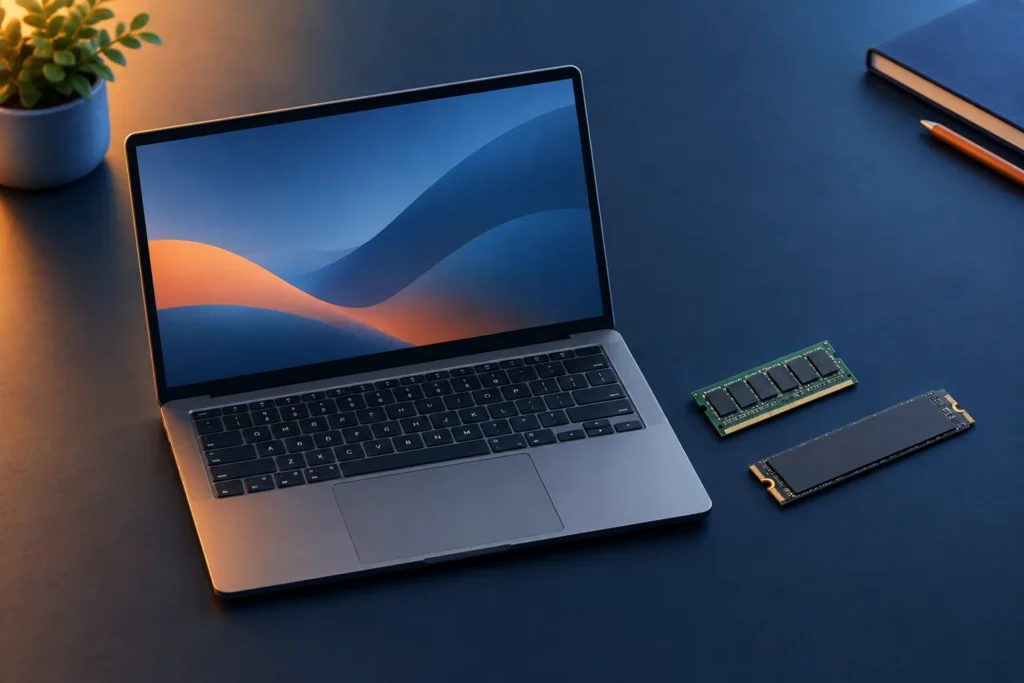
An upgrade can be reasonable when the current platform meets your software requirements and a specific compatible component addresses the bottleneck. A solid-state drive may improve storage-dependent tasks on a PC using a hard drive; more RAM can help a memory-limited workload. Check the motherboard’s supported components, power supply, available space and any manufacturer restrictions before purchasing.
Some systems have limited upgrade paths. If you also need a processor, motherboard, power supply and operating-system changes, the combined project may approach the cost of a replacement. Upgrading one part does not guarantee that older hardware will meet current operating-system requirements.
When to consider a new build or replacement
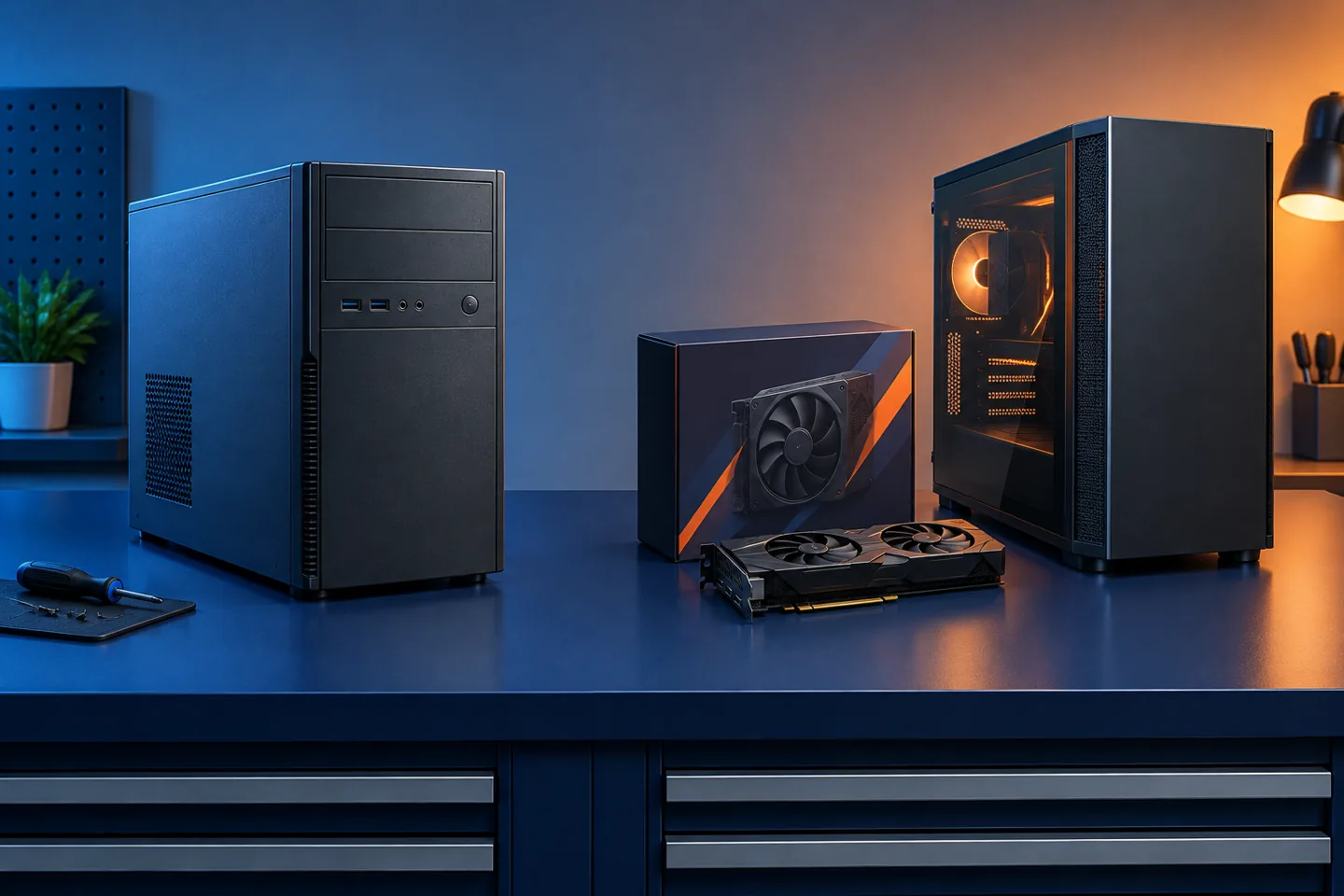
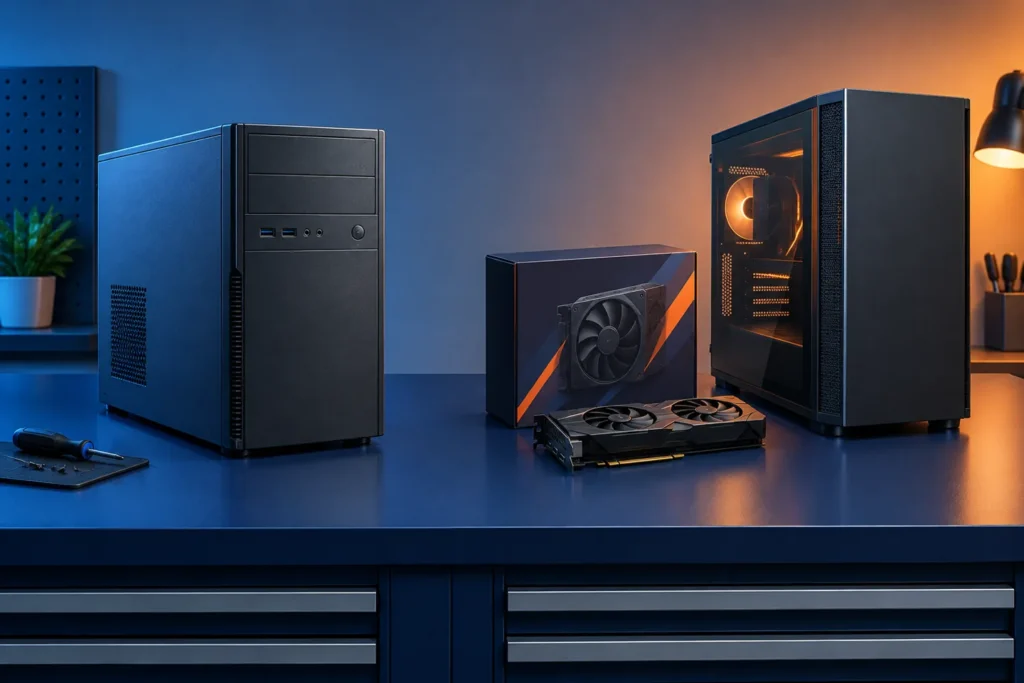
A new build may offer a better fit if the current platform cannot support required software or the total upgrade cost is high. Compare parts, assembly, operating-system license, data migration, warranties and downtime—not just a component price. A prebuilt computer is another option and may suit buyers who prefer a single-system warranty.
Back up important data before any hardware work. Ask whether existing drives will be reused, how data transfer and encryption keys will be handled, and whether the provider will get approval before additional charges. For a local assessment, visit the Smart Fix computer repair page and confirm upgrade or build services for your system in Las Vegas.
Frequently asked questions
Is more RAM always the best first upgrade?
No. It helps when memory is a constraint; diagnose the workload before choosing a component.
Will an SSD make every task faster?
No. It can help storage-dependent tasks, particularly when replacing a hard drive, but other bottlenecks can remain.
Can I reuse parts in a new PC?
Sometimes. Compatibility, condition, power requirements and the new case must be checked.
Will my files move automatically?
Do not assume so. Plan and verify a separate backup and discuss the migration before service.
Can an upgrade make an old PC compatible with every new operating system?
No. Compatibility involves multiple hardware and software requirements; check the manufacturer’s specifications.