

iPhone Water Damage: What to Do First
A wet iPhone can still work, but moisture inside a connector or the device may cause corrosion or other damage. The best first step is to disconnect accessories and avoid charging it while it is wet. The next steps depend on whether you have a liquid alert in the connector or a phone that has been submerged or is behaving unusually.
If the phone has been submerged or splashed
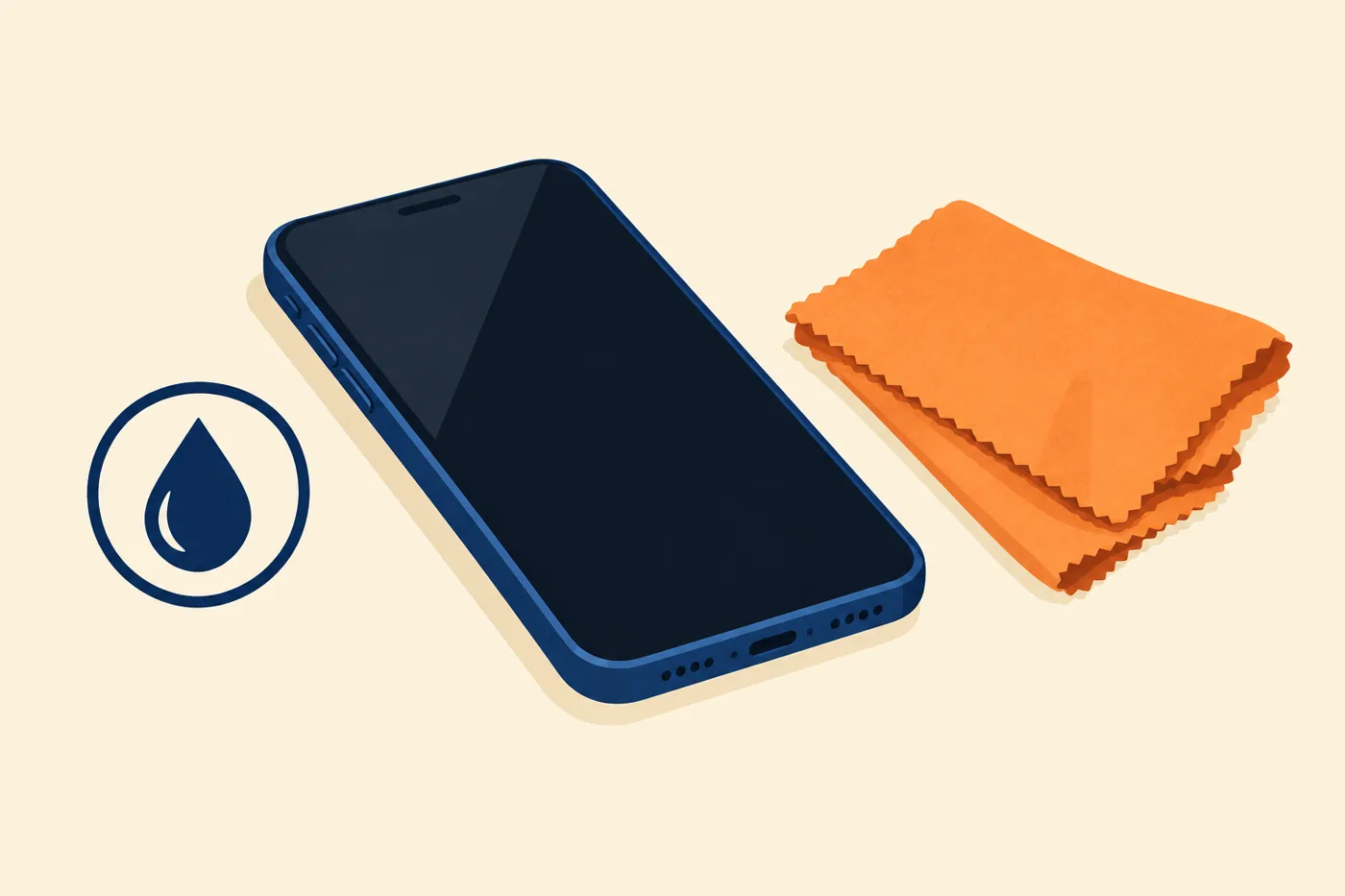
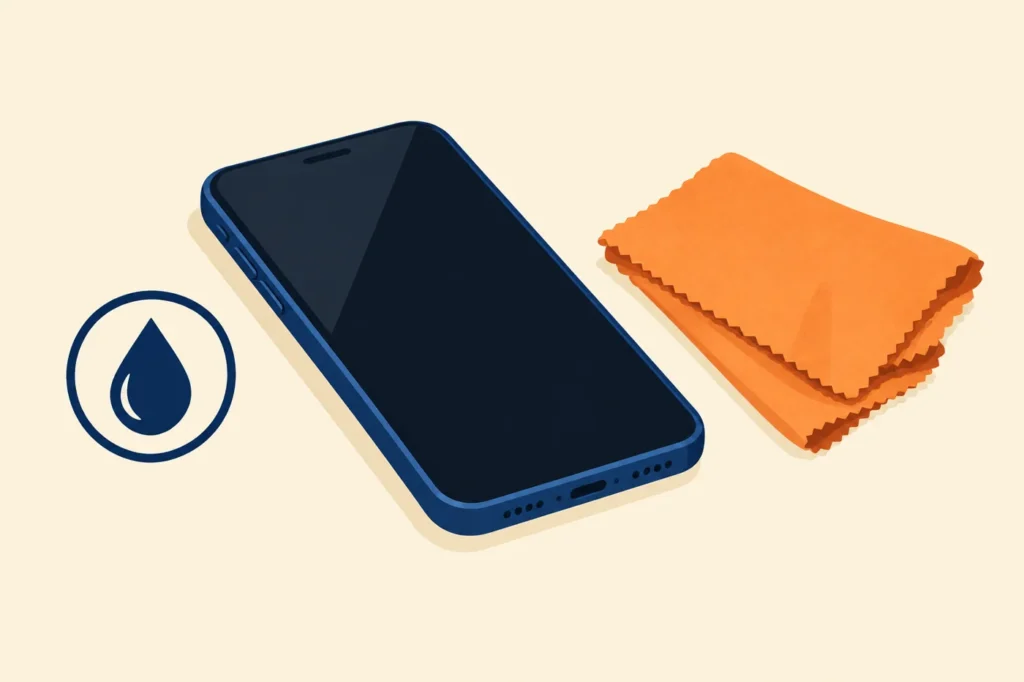
Remove it from the liquid if it is safe to do so. Disconnect the cable and remove the case. Wipe the outside with a soft, lint-free cloth. If you suspect liquid entered the device, switch it off and leave it off rather than repeatedly testing it. Do not connect a cable while it is wet. If the phone is unusually hot, swollen, smoking or emitting a chemical smell, stop handling it, move away and seek appropriate emergency assistance if needed.
Do not open the phone yourself or press, puncture or heat a damaged battery. A repair technician can assess the device and explain available options. Liquid exposure can cause problems later even if the phone initially starts normally, and repair or data recovery is not guaranteed.
If you see a liquid-detection alert
Apple advises disconnecting the cable from the iPhone and unplugging its other end from the adapter or accessory. With the connector facing down, gently tap the phone against your hand to remove excess liquid. Leave it in a dry place with airflow.
After at least 30 minutes, you can try the cable again. If the alert returns, liquid may remain in the connector or cable: leave the phone in a dry area with airflow for up to a day. Apple notes that it can take up to 24 hours to dry. If the alert appears repeatedly with a particular cable or accessory, that accessory may be damaged; if it persists with an Apple cable or accessory, service may be needed.
This guidance is for a connector liquid alert, not a promise that a submerged phone has dried internally. If the phone was submerged, is malfunctioning, or you suspect internal liquid damage, seek an assessment instead of repeatedly connecting it.
Avoid rice, heat and compressed air
Do not put your iPhone in rice: particles can enter and damage it. Do not use a hair dryer, another external heat source, or compressed air. Do not push cotton swabs, paper towels or other objects into the connector. These steps can make the situation worse rather than repair internal corrosion.
Can a water-damaged iPhone be repaired?
Sometimes. The outcome depends on where liquid reached, the type of liquid, how long it remained, and which components were affected. A device that powers on may still have damaged contacts or a developing fault. A technician can inspect the phone and discuss whether repair is practical before work proceeds. Ask about the assessment, cost, warranty and data risks; a working phone after drying is not proof that it is fully protected from future corrosion.
If the phone is already functioning normally and dry, consider backing up your data promptly. Do not power on or charge an unsafe or wet device just to make a backup. If your files are important, tell the technician before any repair or reset. Apple’s warranty terms and coverage vary; ask the provider about the specific device and service.
For help in Las Vegas, see the iPhone repair page and contact Smart Fix with your iPhone model, what liquid was involved, when the exposure happened and whether the phone turns on. Confirm current assessment availability and pricing before visiting.